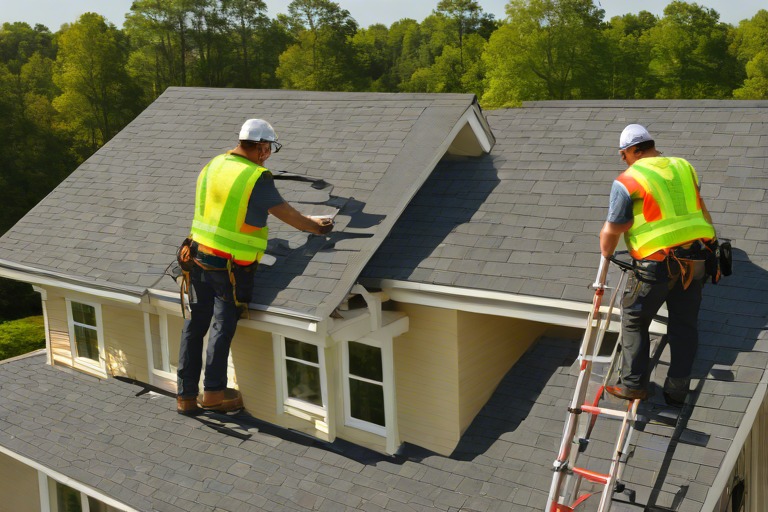
Engineering High-Velocity Wind Resistance for St. Brides Residential Roofing
As the founder and lead coastal roofing engineer at Aquashield Roofing Corporation, I have spent my career analyzing how Atlantic weather patterns dismantle inferior roof installations. In the rural districts of Chesapeake—specifically around St. Brides and those properties stretching toward the North Carolina state line—we aren't just fighting rain; we are fighting high-velocity wind vortexes and the relentless pressure of Nor'easters. A standard "code minimum" installation is a recipe for failure in this corridor. To ensure your home remains an impenetrable fortress, my team adheres to rigorous engineering specifications that far exceed industry averages.
The cornerstone of our residential shingle replacement strategy is the GAF Timberline HDZ line, but the product alone isn't what provides the protection—it’s the fastening system. In coastal Virginia, wind uplift can peel a standard roof off like a layer of skin if it hasn't been engineered for extreme pressure zones. We implement a strict 6-nail high-wind fastening pattern on every single shingle we install. This isn't an optional upgrade; it is our baseline requirement to secure the ASTM D3161 Class F wind warranty, ensuring your roof can withstand gusts up to 130 MPH without failure.
However, a high-performance shingle is useless if the substrate beneath it is compromised. I have seen too many "budget" contractors in Chesapeake perform nail-overs—simply layering new shingles over old ones to save time and disposal costs. At Aquashield Roofing Corporation, we maintain an absolute zero-tolerance policy regarding nail-overs. Every project begins with a 100% complete tear-off down to the clean wood decking. This is the only way to perform a forensic inspection of your CDX plywood for signs of delamination or rot caused by long-term salt-fog oxidation and moisture intrusion.
Our Residential Engineering Specifications: * GAF Timberline HDZ Shingles: Selected for their LayerLock technology, which provides an extra level of grip against wind uplift common near the North Carolina state line. * ASTM D3161 Class F Fastening: Execution of a 6-nail pattern per shingle to guarantee structural integrity during hurricane-force events and secure the 130-MPH warranty. * Full Substrate Exposure: Complete removal of all existing layers; we never nail over old shingles, ensuring that every single sheet of CDX plywood is inspected for rot or sagging before new underlayment is applied. * Synthetic High-Performance Underlayment: We replace traditional felt with high-tear strength synthetic barriers to prevent water infiltration during the overlap phase of installation. * Coastal Drip Edge Installation: Heavy-gauge aluminum drip edges are installed on all rakes and eaves to direct heavy rainfall away from the fascia, preventing premature rot in our humid coastal climate.
Precision Commercial TPO Systems for Low-Slope Structures
In the St. Brides rural district and along the commercial corridors of Battlefield Blvd South, low-slope roofing presents a unique set of challenges. Flat roofs are essentially catchment basins for Atlantic moisture; if the seams aren't perfect, water will inevitably find its way into your structure through capillary action. For our commercial facilities, sunrooms, and enclosed porches, I specify 60-mil single-ply TPO (Thermoplastic Polyolefin) membranes.
The critical failure point of any flat roof is the seam. While many contractors rely on hand-welding with a heat gun—which introduces human error and inconsistent temperature variables—Aquashield Roofing Corporation utilizes robotic heat-welded seams. Our equipment maintains a precise 1,000°F thermal bond, fusing the two sheets of TPO into a single, monolithic piece of plastic. This creates a weld that is physically stronger than the membrane itself, eliminating the risk of seam separation during the extreme temperature swings and heavy rainfall characteristic of Southern Chesapeake.
For residential clients in St. Brides who have added sunrooms or porches over time, these low-slope areas often become the primary source of leaks because they were installed as afterthoughts rather than engineered systems. We treat every porch roof with the same rigor as a commercial warehouse, ensuring that drainage is optimized and the membrane is fully adhered to prevent "wind scrubbing," where high winds lift the membrane and cause fatigue at the perimeter edges.
Our Commercial & Low-Slope Technical Standards: * 60-Mil TPO Membrane: A thick, puncture-resistant single-ply white membrane designed to reflect UV rays (reducing cooling costs) and resist salt-fog oxidation. * Robotic 1,000°F Heat Welding: Automated seam fusion that eliminates the inconsistencies of hand-welding, ensuring a watertight bond across all joints. * Fully Adhered Installation: We avoid loose-laid systems in high-wind zones; our TPO is fully bonded to the substrate to prevent wind uplift and billowing during Nor'easters. * Custom Fabricated Flashings: All curbs, HVAC units, and parapet walls are wrapped with reinforced TPO flashing and mechanically fastened according to coastal engineering codes. * Integrated Drainage Solutions: Installation of high-capacity scuppers and internal drains to ensure that heavy rainfall is evacuated immediately from the roof surface.
24/7 Emergency Repairs and Critical Waterproofing Details
When a leak occurs during a midnight storm in Chesapeake, it isn't just an inconvenience—it’s a race against time before moisture compromises your interior framing and drywall. My team provides 24/7 emergency response services for the St. Brides area and surrounding rural districts. However, we do not believe in "band-aid" fixes. A bead of caulk or a patch of roofing cement is an insult to engineering; it's a temporary measure that will fail within months due to UV degradation and thermal expansion.
True waterproofing happens at the transition points: where pipes penetrate the roof, where chimneys meet the slope, and where valleys intersect. To combat these vulnerabilities, we employ "old-world" materials paired with modern precision. For plumbing vents, we have banned the use of cheap rubber boots that crack under Atlantic UV exposure. Instead, we install lifetime solid lead plumbing pipe boot collars. Lead is malleable yet impervious to the oxidation and cracking that plague synthetic alternatives, providing a permanent seal against driving rain.
Furthermore, chimney leaks are often caused by failing counter-flashing. We don't just slap sealant on the brick; we perform full chimney reglet step flashing rebuilds. This involves cutting a groove (the reglet) into the masonry to embed new metal flashing, ensuring that water is mechanically diverted away from the structure rather than relying on chemicals to hold back the tide. For those complex "dead valleys" where two roof planes meet at a wall, we install soldered copper dead valley liners. Copper's natural longevity and our precision soldering ensure these high-risk areas remain dry for decades.
Our Emergency & Precision Repair Protocols: * Solid Lead Pipe Boot Collars: Replacement of all failing rubber boots with heavy-gauge lead collars to prevent cracking from UV rays and salt air. * Chimney Reglet Step Flashing Rebuilds: Mechanical integration of flashing into the masonry via reglet cuts, eliminating reliance on caulking for chimney waterproofing. * Soldered Copper Dead Valley Liners: Custom-fabricated copper liners that are soldered at all joints to create a seamless water channel in high-risk valley intersections. * Forensic Leak Detection: We utilize thermal imaging and moisture probes during emergency calls to find the actual source of the leak, rather than just treating the symptom on the ceiling. * Immediate Stabilization: 24/7 deployment for temporary tarping using reinforced weighted systems (no nails through shingles) until a permanent engineering fix can be implemented.
The Coastal Engineering Advantage in Southern Chesapeake
Operating near Battlefield Blvd South and extending toward the North Carolina state line requires an understanding of "Micro-Climates." St. Brides is not just another suburb; it's a rural coastal zone where Atlantic salt-fog oxidation accelerates the corrosion of galvanized nails and degrades standard asphalt shingles faster than in inland Virginia. As a master coastal roofing engineer, my goal at Aquashield Roofing Corporation is to eliminate the "replacement cycle" that many homeowners have grown accustomed to—where they buy a new roof every 10 years because it was installed incorrectly for this environment.
The difference between a contractor and an engineer is in the details of the assembly. We don't just look at the shingles; we look at the ventilation, the flashing metallurgy, and the fastening physics. When you live near the coast, your roof is the first line of defense against high-velocity wind vortexes that can create negative pressure zones on your eaves, literally sucking the shingles off from the bottom up. By utilizing 6-nail patterns and full tear-offs to inspect CDX plywood, we ensure that the foundation of your home's protection is structurally sound.
Whether you are managing a commercial facility along Battlefield Blvd South or maintaining a family estate in the St. Brides rural district, our commitment remains the same: an uncompromising adherence to technical specifications. We don't cut corners because, in coastal Virginia, shortcuts lead to catastrophic failures during Nor'easters. When you hire Aquashield Roofing Corporation, you aren't just getting a new roof; you are getting a precision-engineered system designed by Jeff Childers to withstand the harshest elements our coast can throw at it.
Why St. Brides Residents Trust Our Engineering: * Local Environmental Expertise: We understand how salt air and humidity interact with roofing materials, allowing us to select components that resist oxidation. * Uncompromising Standards: From robotic TPO welding to lead boot collars, we use the highest grade of materials available in the industry today. * Structural Integrity Focus: By insisting on 100% tear-offs and CDX plywood inspections, we guarantee a stable base for every installation. * Long-Term Warranty Security: Our adherence to ASTM D3161 Class F standards means your warranty is backed by actual engineering performance, not just a piece of paper. * Dedicated Local Presence: We are deeply rooted in the Chesapeake community and provide rapid response times from our local headquarters for all emergency repairs.